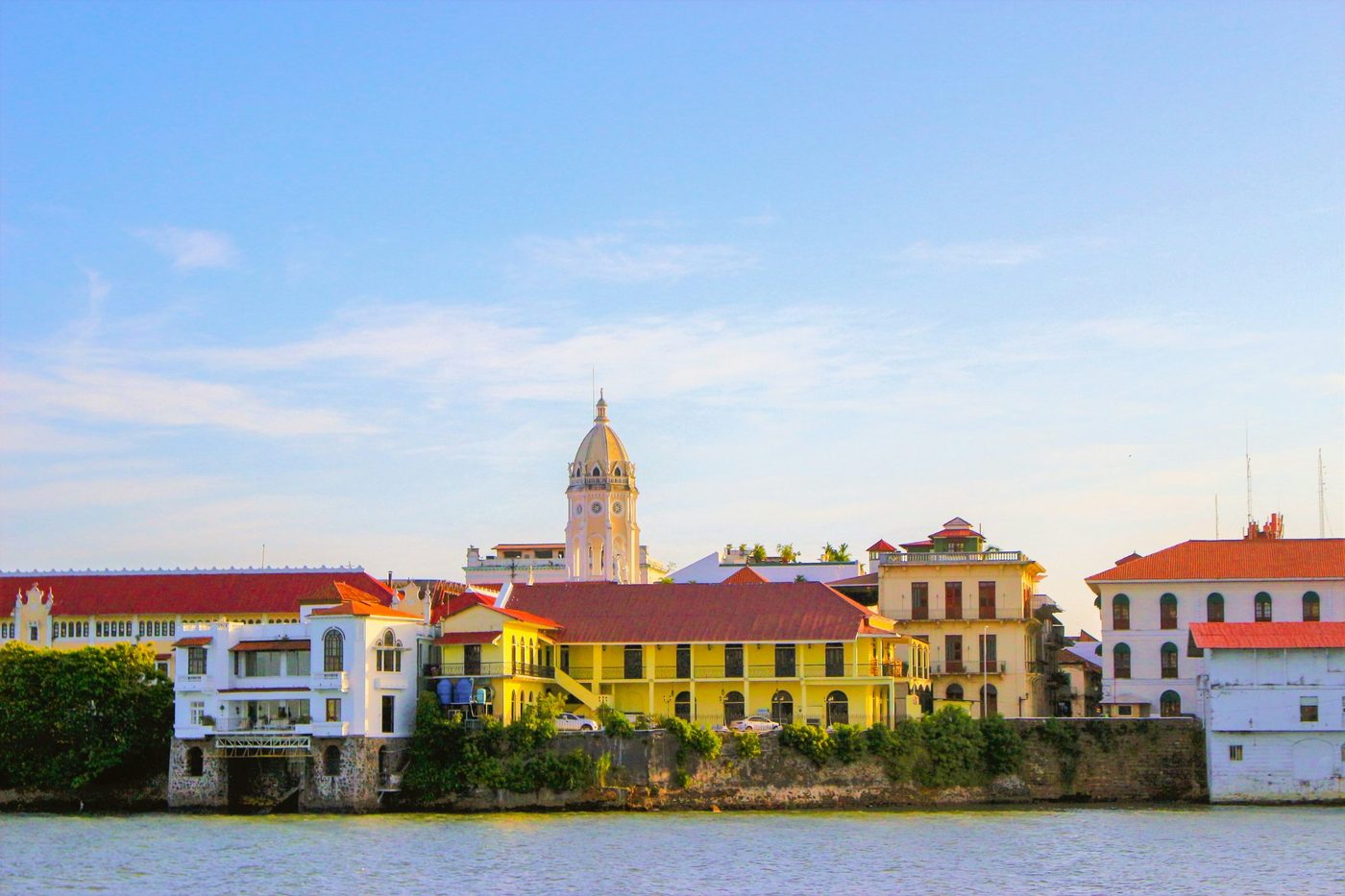
Retiring in Panama: The Complete 2025 Guide for Expats
Panama has become one of the most practical retirement destinations in the world — and not just because of the tax breaks. The combination of stable currency, first-world infrastructure in select areas, a genuine expat community, and regional variety that ranges from Caribbean island life to mountain highlands makes it genuinely hard to find a comparable option anywhere in Latin America.
But Panama is also not a simple move. The bureaucracy is real, the banking is frustrating until you know how to navigate it, and picking the wrong region can make or break the experience. This guide covers what actually matters.
Why Panama? The Honest Case
The reasons that get cited most often are the right ones — but they're worth unpacking properly:
The US dollar is Panama's currency. No exchange rate exposure, no inflation surprises tied to a weak local currency, and your US Social Security or pension arrives in full purchasing power. This is a bigger deal than it sounds for long-term planning.
No income tax on foreign-sourced income. If your pension, Social Security, investment income, or remote work income comes from outside Panama, Panama doesn't tax it. At all. This is a legal territorial tax system — not a gray area.
Geographic and climate variety. No other country this size offers Caribbean island living, Pacific coast surf towns, a cool mountain region, a volcanic crater valley, and a global city — all within a few hours of each other. You can try multiple regions before committing.
Direct flights. Panama City's Tocumen Airport is one of the best-connected hubs in Latin America. Getting home for family visits or medical care in the US isn't a saga.
Panama was ranked the #1 retirement destination in multiple consecutive years by International Living — not because it's perfect, but because it scores exceptionally well across the combination of cost, infrastructure, climate options, and legal stability.
Visa Options for Retirees
Panama offers several paths to legal residency. For most retirees, two options dominate:
The Pensionado Visa
Panama's famous retirement visa, available to anyone with a guaranteed lifetime income of at least $1,000/month from a pension, Social Security, or annuity. Add $250/month per dependent. This is the gold standard — it comes with a remarkable set of perks:
- 25% discount on airline tickets
- 50% off hotel stays Monday–Thursday
- 25% off restaurants
- 15–20% off medical and dental care
- 50% off entertainment
- 20% off professional and medical consultations
The Pensionado visa is permanent from day one and does not require you to become a tax resident. Processing typically takes 4–8 months through a local attorney.
The Friendly Nations Visa
Available to citizens of 50 designated countries including the US, UK, Canada, and most of Europe. Requires establishing economic ties to Panama — typically through property ownership, a Panama corporation, or employment. More flexible than Pensionado but with more moving parts. Leads to permanent residency in 2 years.
The Digital Nomad / Remote Worker Visa
Introduced in 2021 for remote workers earning income from foreign sources. Requires proof of $36,000/year income. Valid for 9 months, renewable. Not a path to permanent residency, but useful for testing the country before committing.
Visa rules change. Always verify current requirements with a licensed Panamanian immigration attorney before beginning any application. Budget $1,500–$2,500 for attorney fees depending on complexity.
Cost of Living Breakdown
This is where Panama's regional variety matters most. "Cost of living in Panama" is almost a meaningless phrase without specifying where — the difference between Panama City and Bocas del Toro and Boquete is significant.
| Budget | What it gets you in Panama City | What it gets you in Boquete | What it gets you in Bocas del Toro |
|---|---|---|---|
| $2,000/mo | Small apartment, local food, basic lifestyle | Comfortable home, car, eating out regularly | Modest home, simple Caribbean lifestyle |
| $3,500/mo | Mid-range apartment, car, dining out, comfort | Excellent quality of life, travel, savings | Good home, boat access, comfortable life |
| $5,500/mo | High-end living, private healthcare, travel | Premium lifestyle, staff, multiple travel | Luxury property, boat, premium everything |
Groceries run 20–40% cheaper than the US at local markets. Imported goods and anything from the US are often comparable or slightly more. Utilities are low — air conditioning in a 2-bedroom apartment typically runs $60–120/month. Domestic help (cleaning, gardening) costs $15–25/day. Eating at local fondas (canteens) costs $3–5 for a full meal.
Healthcare
Panama City has genuinely excellent private hospitals — Hospital Punta Pacifica (affiliated with Johns Hopkins) and Clinica Hospital San Fernando are the anchors. Specialists, diagnostics, and surgical procedures are typically 40–70% less expensive than equivalent US care, with comparable quality in the private system.
Outside Panama City, healthcare quality drops significantly. Boquete has reasonable access through David (30 minutes away), which has solid regional hospitals. In Bocas del Toro, the local hospital is basic — serious medical situations require evacuation to Panama City. This is a real consideration that many people underweight when choosing a remote region.
Most expats carry private international health insurance ($150–400/month depending on age and coverage) and self-pay for routine care. The Pensionado discount of 15–20% on medical services is genuinely useful.
Banking
Banking in Panama as a foreigner is the most commonly cited frustration — and it's a legitimate one. Since FATCA compliance tightened, many Panamanian banks are cautious about opening accounts for US citizens. The process requires in-person visits, extensive documentation, and patience.
The most accessible path is typically through Banistmo or Banco Nacional with your residency documentation in hand. Budget 2–4 weeks for the process. Many expats maintain their US bank account and use Charles Schwab or similar fee-free international ATM cards for cash in the interim.
Arrive with 3–6 months of living expenses accessible from your home country account. Establishing local banking takes longer than most guides suggest, and you'll need cash flow while you wait.
Which Region Is Right For You
This is the most important decision — and the one most people make based on inadequate information. Panama's regions are genuinely different in character, not just climate.
Bocas del Toro is for people who are drawn to Caribbean island life, don't mind logistical inconvenience in exchange for extraordinary natural beauty, and are ideally interested in new construction (there's very little established resale inventory). It rewards people with an adventurous disposition and punishes those who need things to work smoothly all the time.
Boquete is the soft landing. The most established expat infrastructure, good access to David for healthcare, beautiful mountain climate, and a well-organized community of retirees who've already figured out how to live there. The tradeoff is that it can feel like a bubble — somewhat removed from authentic Panama.
Panama City is the only option if healthcare proximity, international flights, and urban infrastructure are non-negotiable. It's also the most expensive, the least "tropical paradise," and the most anonymous. But for working professionals and families, it's simply the most practical.
Pedasí, Santa Catalina, and the Pacific coast are early-mover markets — lower cost, more authentic, but with thinner infrastructure and expat communities. Best for people who did their research and want to get in before everyone else does.
Not sure which region fits you?
Our 8-question quiz matches you to the right Panama region based on your lifestyle, budget, and priorities — then connects you with the right specialist.
Take the Free Quiz →Buying Property as a Foreigner
Foreigners have the same property rights as Panamanian citizens — there are no restrictions on foreign ownership of titled property. This is a significant advantage over many other retirement destinations.
The key distinction to understand is titled land vs. rights of possession (ROP). Titled land is registered with the Public Registry and provides the same protections you'd expect in a Western country. ROP is an informal occupancy right that predates the formal land registry system — it's common in rural and coastal areas and carries more risk for buyers who don't understand what they're acquiring.
In Bocas del Toro specifically, the island archipelago historically had large amounts of ROP land. New construction developments like those from Bocas Homes International are built on titled land — this distinction matters enormously for financing, resale, and long-term security.
Honest Downsides
Any guide that doesn't cover these isn't being honest with you:
- Bureaucracy is slow and inconsistent. Government processes that should take days take weeks. Getting your driver's license, residency, or any official document requires patience and often a local fixer or attorney.
- Infrastructure outside Panama City is unreliable. Power outages in Bocas during storms, water pressure issues in highland areas, roads that wash out in rainy season. These are manageable but real.
- Banking is genuinely difficult. We covered this above. It's the most common source of early frustration among new expats.
- Cultural adjustment is real. Panama time is a thing. Service culture is different. Things close for holidays you weren't expecting. The adjustment period is typically 6–12 months before things feel normal.
- Remote areas require self-sufficiency. In Bocas or Santa Catalina, if something breaks, you wait. Amazon Prime doesn't deliver here. The logistics of living require more planning than back home.
None of these are reasons not to move to Panama. They're reasons to choose your region carefully and arrive with realistic expectations.
Panama rewards people who do their homework, choose their region intentionally, and approach the move with flexibility. For the right person in the right region, it delivers on nearly every promise — and the combination of dollar economy, no foreign income tax, and genuine tropical beauty is genuinely hard to beat anywhere in the world.